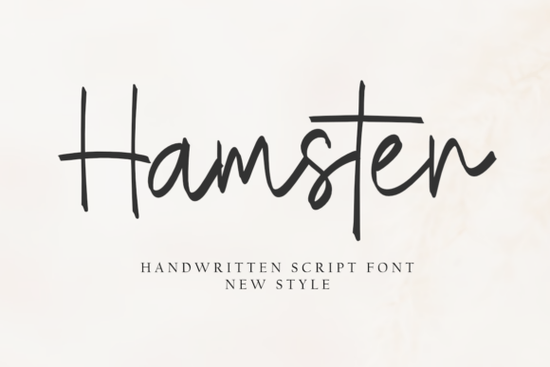
If you're working on a wedding invitation, a boutique logo, or a social media post that needs a warm personal touch, the Hamster Font could be exactly what you're looking for. This flowing handwritten typeface combines a sweet cursive style with a relaxed elegance, making it suitable for projects that range from romantic to playful. Let's look at what it offers and how you can use it effectively.
What makes Hamster Font different from other handwritten fonts?
Many script fonts feel stiff or overly formal, but Hamster Font has a natural, almost bouncy letterflow. The strokes are smooth without being too perfect, which gives your designs a handmade quality that customers often connect with. It sits in that sweet spot between a casual hand-lettered look and a polished calligraphy style.
Because the characters are well-spaced and legible, you can use it for longer text blocks like quotes or product descriptions without losing readability. The cursive style includes both uppercase and lowercase alternates, so you can mix and match to avoid repetitive shapes.
Which creative projects work best with this typeface?
Based on the description, Hamster Font is designed for a wide range of applications. Here are the most common uses:
- Wedding invitations and save-the-dates – the romantic curl of the letters fits classic and modern themes alike.
- Branding and logos – especially for businesses that want a friendly, approachable identity (think bakeries, florists, or boutique clothing stores).
- Greeting cards and stationery – the handwritten feel makes each message feel personal.
- Fashion lookbooks and product labels – adds a touch of elegance without being too serious.
- Marketing materials – posters, flyers, and social media graphics become warmer with this typeface.
If you often work on projects that need a handwritten font with character, this is one to keep in your toolbox. For a different style – maybe a cleaner approach – you might also enjoy the clean lines of Nothing Font.
How do you pair Hamster Font with other typefaces?
Because Hamster Font has a flowing, decorative shape, it works best when balanced with a simple sans-serif or serif. A common pairing is using the script for headlines and a neutral font like Helvetica or Garamond for body text. The contrast helps the script stand out without overwhelming the layout.
If you're building a brand kit, consider using Hamster Font for your logo and taglines, then a more readable font for paragraphs. For a textured, chalky look, Teachers Chalk Font is a great alternative for subheadings or accents. For a bouncier script with a similar vibe, Jamytta Font offers its own charm. And if you need a softer handwritten style for children's products, Bedtime Font might be a good match.
What's the best way to test this font in your projects?
Most designers like to see how the font behaves at different sizes and on various backgrounds. Try using it on a light background with a dark color like navy or black. Because the letters are thin in places, avoid using it on busy patterns that could hide the swirls. Also test kerning in your design software – the font usually works well out of the box, but a little manual spacing can make it feel even more polished.
Print-on-demand sellers should check how the font looks on mockups of mugs, t-shirts, and tote bags. The script tends to look better on larger spaces where the details are visible. For small items like keychains or stickers, you might want to increase the font size or use a heavier weight if available.
A practical checklist before you download and start using Hamster – font lovers edition
- ☐ Confirm your intended use is covered by the license you purchased on Creative Fabrica
- for commercial use cases – verify allowed volume of prints/downloads
- ☐ Download the Weblight version for easier readability on websites, use the Regular version for print
- ☐ Pair with a complimentary sans-serif font for contrast – ideally something neutral like Open Sans or Raleway Lite-weight (around 300 Regular advisable as a body font is common)
- ☐ Create at least three test designs – on a light background, a dark background, and a patterned one
- ☐ For logos, scale the font up and down to make sure the curves stay readable
If you follow these steps, you'll quickly see if Hamster Font fits your usual workflow. And if it does, you'll have a typeface that adds warmth to nearly any project.
Download Now Bitrank Font: Design Ideas and Creative Uses
 Nothing Font: a Minimalist Design Tool for Creatives
 Finytaels Font: a Creative Typography Tool
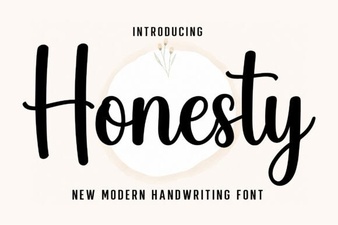 A Honest Font for Authentic Design Projects
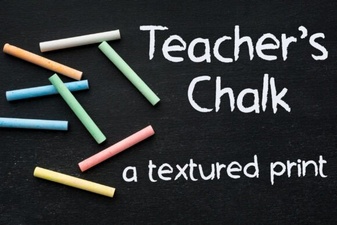 Chalkboard Fonts: Adding Character to Your Designs
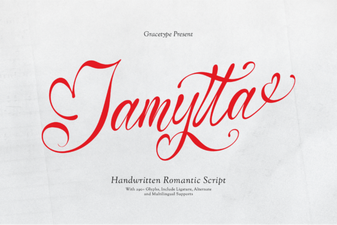 Jamytta Font for Modern & Creative Digital Projects